

- Call Now
- +91 9768454139
- +91 9322945984
- Email Id.
- ablaw2025@gmail.com
Practice Area
Land Acquisition Law
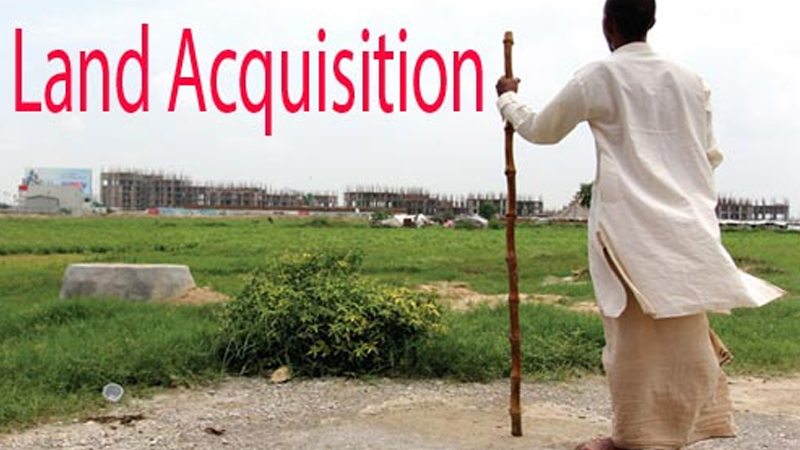
Land acquisition law governs the process by which the state acquires private land for public purposes such as infrastructure, public works, industries and urban development. Modern statutes balance the state’s power to acquire land with protections for landowners—providing procedures for notification, fair compensation, rehabilitation, and resettlement. The law aims to enable development while safeguarding property rights, ensuring transparency and offering avenues for grievance redressal.
Key features
- Compulsory acquisition power: The state may acquire land for public purposes following statutory procedures, including public notice and hearings.
- Compensation: Fair compensation principles include market value, solatium, interest, and in many jurisdictions additional provisions for rehabilitation and resettlement.
- Rehabilitation and resettlement: Modern laws emphasise social safeguards for displaced families, livelihood restoration, and special assistance for vulnerable groups.
- Transparency and participation: Statutes require notices, consultations and grievance mechanisms; some projects require social impact assessments.
- Judicial review: Affected parties can challenge acquisition on grounds of public purpose, inadequate compensation, or procedural lapses in courts.
Practical considerations
Land acquisition cases are fact-sensitive—valuation disputes, title clarity, and adequacy of rehabilitation packages frequently trigger litigation. Claimants should document land ownership, cultivation history, and economic dependence. Legal strategy may include challenging the legitimacy of 'public purpose', demanding correct valuation metrics, and asserting statutory entitlements for resettlement. Negotiated settlements with landowners, project-specific compensation packages, and adherence to statutory timelines reduce conflict and delay in infrastructure projects.
Practice Area
- Civil Lawyer
- Criminal Lawyer
- Child Custody Lawyer
- Corporate Lawyer
- Legal Documentation
- DEBT Recovery Tribunal Lawyer
- Property Lawyer
- Bombay High Court Lawyer
- CAT Services Matters Lawyer
- RERA Matters Lawyer
- Consumer Disputes Lawyer
- Cyber Law Cases Lawyer
- Court Marriage Registration
- Divorce Lawyer
- Domestic Violence Lawyer
- Matrimonial Lawyer
- Family Dispute Lawyer
- Supreme Court Lawyer
- Bail Matters Lawyer
- Cheque Bounce Lawyer
- Legal Drafting & Documentation
- NDPS Law
- Anticipatory Bail Law
- Succession Law
- Legal Heirship Law
- Letter of Administration Law
- Central Administrative Tribunal Matters
- Maharashtra Administrative Tribunal Matters
- Revenue Tribunal Matters
- School Tribunal Matters
- Charity Commission Matters
- Land Acquisition Law
- Municipal Corporation Law
- Muslim Marriage Divorce Inheritance Law
- Sexual Harassment at Workplace (POSH)
- Labour & Employment
- Estate Planning, Wills, Trusts & Personal Law
- Litigation, Arbitration and Dispute Resolution