- Call Now
- +91 9768454139
- +91 9322945984
- Email Id.
- ablaw2025@gmail.com
Practice Area
Municipal Corporation Law
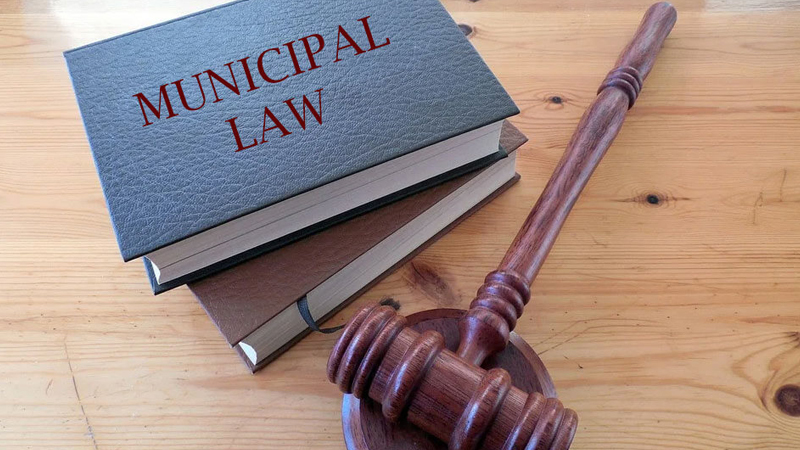
Municipal corporation law governs urban local bodies—municipal corporations responsible for civic administration, urban planning, public health, sanitation, water supply, building regulations, and local taxation. These laws define powers, functions, revenue-raising mechanisms and governance structures of municipal bodies. They create the legal framework for service delivery, urban regulation and citizen redress, balancing local autonomy with state oversight.
Key features
- Functions and powers: Municipal corporations enact by-laws, collect property taxes, regulate building plans, provide civic amenities and manage local infrastructure.
- Revenue and finance: Funding comes from taxes, user charges, grants, and municipal bonds; fiscal rules govern budget, audit and expenditure.
- Regulatory controls: Corporations enforce building codes, land-use zoning, sanitation rules, and licensing for commercial activities.
- Governance: Councils, Mayor, Commissioner and committees share responsibilities; transparency and public participation are enshrined in statutory procedures.
- Citizen remedies: Residents can file grievances, challenge municipal actions in courts or tribunals, and access information under transparency laws.
Practical considerations
Municipal disputes often involve building violations, property tax assessments, public health notices, and licensing refusals. Effective advocacy requires understanding municipal bylaws, procedural compliance for permits, and timelines for appeals. Citizens should maintain records of bills, notices and communications. For developers and businesses, securing clearances and compliance certificates early avoids penalties and demolition orders. Legal remedies include writ petitions, appeals to municipal tribunals, and judicial review of arbitrary municipal action.
Practice Area
- Civil Lawyer
- Criminal Lawyer
- Child Custody Lawyer
- Corporate Lawyer
- Legal Documentation
- DEBT Recovery Tribunal Lawyer
- Property Lawyer
- Bombay High Court Lawyer
- CAT Services Matters Lawyer
- RERA Matters Lawyer
- Consumer Disputes Lawyer
- Cyber Law Cases Lawyer
- Court Marriage Registration
- Divorce Lawyer
- Domestic Violence Lawyer
- Matrimonial Lawyer
- Family Dispute Lawyer
- Supreme Court Lawyer
- Bail Matters Lawyer
- Cheque Bounce Lawyer
- Legal Drafting & Documentation
- NDPS Law
- Anticipatory Bail Law
- Succession Law
- Legal Heirship Law
- Letter of Administration Law
- Central Administrative Tribunal Matters
- Maharashtra Administrative Tribunal Matters
- Revenue Tribunal Matters
- School Tribunal Matters
- Charity Commission Matters
- Land Acquisition Law
- Municipal Corporation Law
- Muslim Marriage Divorce Inheritance Law
- Sexual Harassment at Workplace (POSH)
- Labour & Employment
- Estate Planning, Wills, Trusts & Personal Law
- Litigation, Arbitration and Dispute Resolution